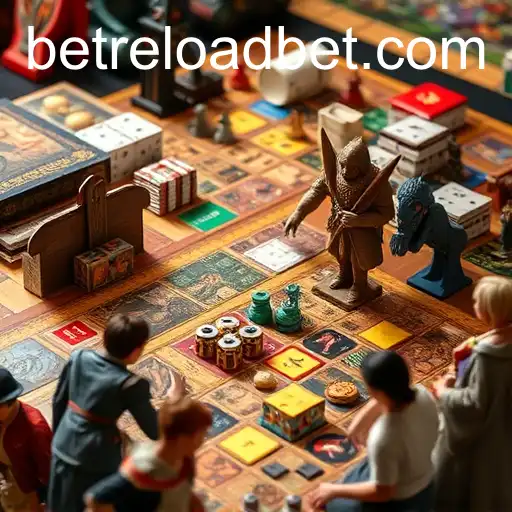
Exploring the World of Tabletop Games
Tabletop games have been a beloved form of entertainment for decades, offering a unique blend of strategy, creativity, and social interaction. From classic board games to innovative role-playing experiences, the world of tabletop gaming is vast and ever-evolving. In this article, we delve into the different types of tabletop games, the reasons behind their resurgence in popularity, and the role of digital platforms such as reloadbet in bringing these communities together.
The Diversity of Tabletop Games
Tabletop games encompass a wide range of genres and styles, each offering its own unique appeal. At their core, these games are designed to bring people together, often requiring collaboration, competition, and strategic thinking. There are several categories of tabletop games, each with distinct characteristics and gameplay mechanics.
Board Games
Board games are perhaps the most recognizable category of tabletop games. They typically involve a physical board where players move pieces according to specific rules, often with the goal of achieving a certain objective. Classic examples include Monopoly, Scrabble, and Chess. In recent years, modern board games like Catan and Ticket to Ride have gained immense popularity, offering players complex mechanics and engaging narratives.
Card Games
Card games have been a staple of tabletop gaming for centuries. They range from traditional games like Poker and Bridge to collectible card games such as Magic: The Gathering and Pokémon TCG. These games often require strategic thinking and planning, as players build decks and develop strategies to outwit their opponents.
Role-Playing Games (RPGs)
Role-playing games offer a uniquely immersive experience, allowing players to create and assume the roles of characters within an engaging story. Dungeons & Dragons is the most iconic RPG, providing a structure for storytelling and adventure that has captivated players for decades. These games often involve complex narratives, character development, and collaborative storytelling.
Miniature Games
Miniature games combine elements of board games and role-playing, with players using detailed models to represent units or characters on a battlefield or within a setting. Warhammer 40,000 and Star Wars: X-Wing are popular examples, offering intricate rule sets and strategic depth as players maneuver their forces to complete objectives and achieve victory.
Resurgence of Tabletop Gaming
The tabletop gaming industry has experienced a resurgence in recent years, with a growing number of people drawn to these multifaceted games. There are several factors contributing to this renewed interest in tabletop gaming.
Social Interaction and Community Building
In an era where digital technology dominates social interaction, tabletop games offer a refreshing change by encouraging face-to-face communication and collaboration. Players can gather around a table, engage in meaningful conversations, and enjoy each other's company while participating in a shared activity. This social aspect has made tabletop games a popular choice for events, gatherings, and family game nights.
Diverse Gaming Experiences
Modern tabletop games offer a diverse range of experiences and themes, catering to a wide array of interests and preferences. From intricate strategies and deep narratives to casual and party-style games, there is something for everyone. This diversity allows players to explore different styles of gameplay and find games that resonate with their unique tastes.
Nostalgia and Retro Appeal
Nostalgia plays a significant role in the resurgence of tabletop gaming. Many people have fond memories of playing board games during their childhood, and the desire to relive these experiences drives them back to the tabletop. Additionally, retro-themed games and modern remakes of classic titles have captured the attention of new generations, further fueling the industry's growth.
The Role of Digital Platforms
While tabletop games are inherently physical experiences, digital platforms like reloadbet have become instrumental in expanding and connecting gaming communities. These platforms offer numerous benefits, from facilitating communication and event organization to providing an avenue for discovering new games and connecting with like-minded players.
Community Building and Online Events
Digital platforms enable tabletop gaming communities to thrive by offering tools for organizing online events and tournaments. Players can connect with others who share their interests, engage in discussions, and participate in virtual game sessions. This sense of community is crucial for expanding the reach of tabletop gaming beyond local groups and creating a global network of enthusiasts.
Game Discovery and Accessibility
Platforms like reloadbet make it easier for players to discover new tabletop games. By providing detailed descriptions, reviews, and recommendations, these platforms help players find games that match their interests and skill levels. This accessibility has broadened the appeal of tabletop gaming, attracting newcomers and seasoned players alike.
Integrating Technology with Traditional Gaming
Tech-savvy platforms are integrating digital tools with traditional tabletop gaming, enhancing the gameplay experience and adding new dimensions to classic games. Augmented reality, interactive apps, and digital companion tools are some examples of how technology is augmenting the traditional tabletop experience, creating a hybrid form of entertainment that bridges the gap between analog and digital worlds.
The world of tabletop games is rich and diverse, offering countless opportunities for entertainment and connection. As communities continue to grow and digital platforms become more integral to the gaming experience, tabletop games remain a beloved and enduring form of recreation. Whether you're a seasoned veteran or a newcomer eager to explore this captivating world, there's never been a better time to engage with the tabletop gaming community and discover the many joys it has to offer.